
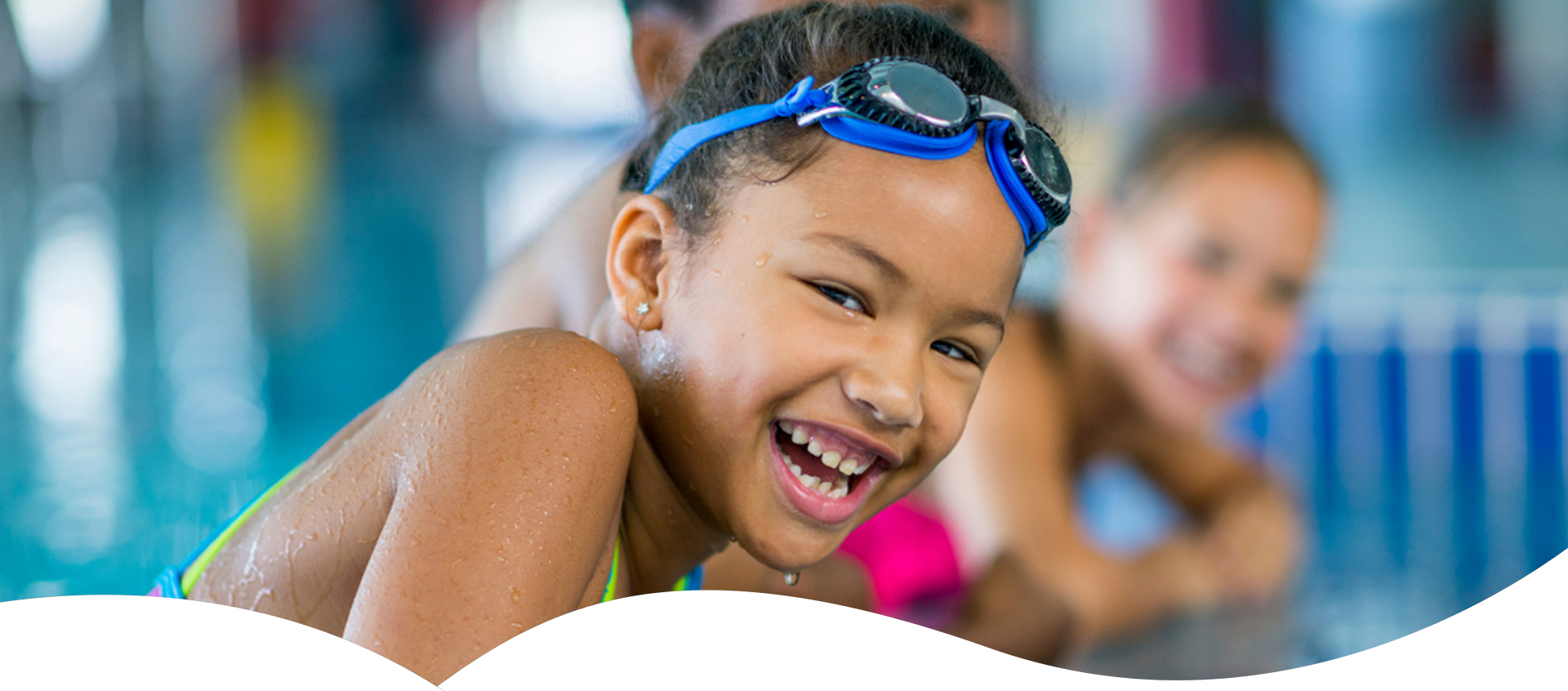
At Alpha Aquatics Academy, we adopt the Swim England Learn to Swim Framework, a nationally recognised programme designed to develop confident, capable, and safe swimmers. The framework is structured into seven progressive stages, each building on the last to help children master essential swimming and water safety skills.
This guide is designed to help you choose the
right stage for your child when booking.
Stage 1
Ideal for beginners with little or no swimming experience.
Children will learn how to enter and exit the pool safely, become comfortable moving through water, and start to develop basic floating and breathing techniques.
Suitable for children who are new to swimming or may be nervous in the water.
Stage 2
Focuses on developing movement through water using basic body positions and introducing simple arm and leg actions. Floating, gliding, and water safety skills are also introduced.
Ideal for children who are confident in the water but not yet swimming independently.
Stage 3
Children begin to develop more control in the water with increased distance and stroke development. They’ll also learn how to safely submerge, retrieve objects, and travel greater distances without support.
Perfect for swimmers who can move short distances on their front and back unaided.
Stage 4
Focuses on refining leg kicks and arm movements for all four strokes. Swimmers will also be introduced to sculling, treading water, and swimming underwater.
For children who can swim at least 10 metres using recognisable strokes.
Stage 5
Swimmers begin to demonstrate technique across all strokes and will work on stamina by increasing distances. Safe entries, exits, and more complex aquatic skills are introduced.
Suitable for children who can swim 10–25 metres confidently and are developing good stroke technique.
Stage 6
Continues to improve technique and introduces essential water safety and lifesaving skills, including rescue techniques and swimming in clothes.
For swimmers with solid technique who are ready to swim longer distances with control.
The final stage of the core Learn to Swim programme. Children refine technique across all strokes, build endurance, and demonstrate safety skills in various water situations.
For confident swimmers preparing to transition into aquatic sports or advanced training.
Swimmers build on core swimming skills while being introduced to a range of aquatic sports such as competitive swimming, water polo, synchronised swimming, and diving. Focus is placed on technique, discipline-specific skills, and developing greater confidence in the water.
Perfect for children who have completed Stage 7 and want to explore different aquatic pathways or refine their performance in a chosen discipline.
Stage 9
This stage focuses on improving stamina, stroke efficiency, and competitive skills including starts, turns, and finishes. Swimmers continue to refine their technique across all four strokes and further develop their understanding of aquatic sports.
Ideal for swimmers ready to commit to more structured training or preparing for club-level competition.
Stage 10
The final stage of the Learn to Swim pathway. Swimmers demonstrate proficiency in advanced water skills, including sustained swims, effective stroke transitions, and advanced competitive techniques.
Designed for those ready to transition confidently into a swimming club or continue into specialist aquatic disciplines.
If you’re unsure which stage your child should join, here are a few simple questions to guide you:
Is your child new to swimming or nervous in the water? Start at Stage 1
Can your child float, submerge, and move independently through the water? Consider Stage 2 or 3
Are they swimming short distances unaided with basic technique? Try Stage 3 or 4
Can they swim 10+ metres using recognisable strokes? Look at Stage 4 or 5
Can they swim confidently with good technique and stamina? Stage 5–7 may be appropriate
Still unsure? We’re here to help! Contact us and a member of our team will be happy to assist with a stage recommendation before you book.
? Please note: All bookings are subject to a short assessment in the first lesson to ensure your child is placed in the most appropriate stage.

